

Brushing Too Hard: How It Can Damage Your Teeth and Gums
Many people focus on brushing longer or harder, thinking it will guarantee cleaner teeth, but that extra force can actually backfire. Over-brushing can wear down enamel, irritate gums, and even lead to tooth sensitivity.
While proper technique protects your smile, professional guidance through general dentistry in Charlotte can help prevent or address any damage early, keeping your teeth and gums healthy for years.
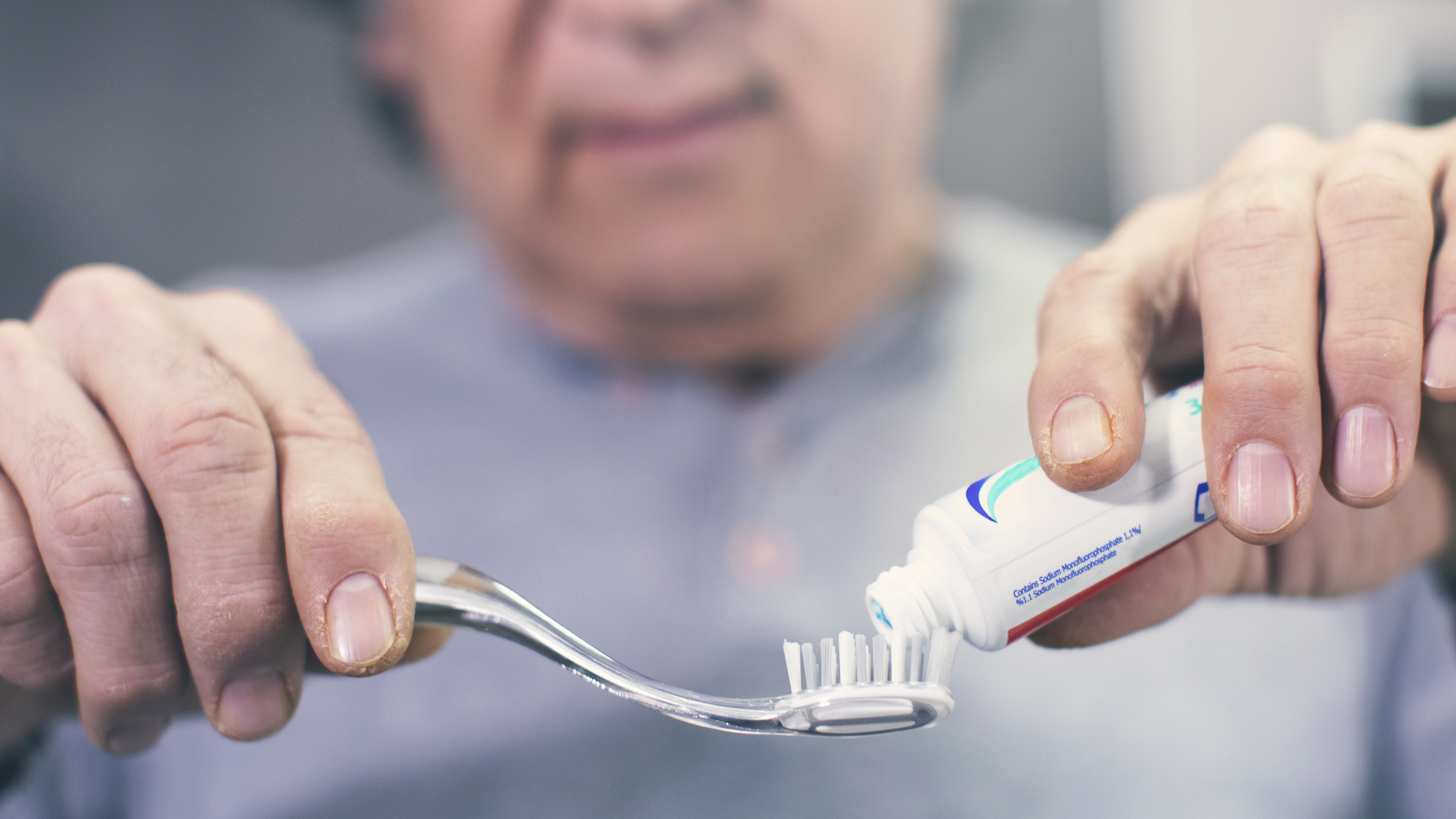
Why Brushing Too Hard Is Harmful
Even if your intent is good, a scrubbing motion similar to cleaning a tough stain can have long-term consequences for your oral health.
Enamel, the protective outer layer of your teeth, can wear down if brushed too aggressively. Once enamel is lost, teeth become more susceptible to cavities and sensitivity.
Brushing too hard can also cause gum recession, exposing the roots of your teeth and increasing the risk of irritation or infection.
Other common issues from over-brushing include uneven wear on teeth, notching near the gum line, and increased tooth sensitivity to hot, cold, or sweet foods and drinks.
Signs You Might Be Brushing Too Hard
Many people don’t realize they’re brushing too hard until symptoms appear.
Common warning signs include:
- Bleeding or sore gums after brushing
- Tooth sensitivity when eating or drinking hot, cold, or sugary foods
- Visible enamel wear or notches near the gum line
- Receding gums, which may make teeth appear longer over time
If you notice any of these signs, it’s important to adjust your brushing technique and consider scheduling a dental checkup.
Early intervention can prevent further damage and maintain your oral health.
How to Brush Safely
Brushing effectively doesn’t require force. Gentle and consistent care is far better for your teeth and gums.
Here are some tips to brush safely:
- Use a soft-bristled toothbrush: Hard bristles can damage enamel and gums.
- Brush with gentle, circular motions: Avoid scrubbing back and forth aggressively.
- Take your time: Brush for at least two minutes, twice a day, covering all surfaces of your teeth.
- Focus on technique over pressure: Gentle, controlled movements clean teeth more effectively than force. Hold your toothbrush at a 45-degree angle toward the gums so the bristles can sweep away plaque without irritating the gum line.
- Complement brushing with flossing and mouthwash: Complementary habits remove plaque and bacteria in areas your toothbrush can’t reach.
How General Dentistry Can Help
Regular visits to your dentist are essential for preventing and addressing the effects of over-brushing.
At your general dentistry appointments, dentists can evaluate any damage to your enamel and gums, identify signs of gum recession, and recommend treatment options if needed.
Preventive services like professional cleanings, digital x-rays, fluoride treatments, and comprehensive checkups help detect problems sooner rather than later and keep your smile healthy.

Schedule Your Visit for General Dentistry in Charlotte
Brushing with the right technique helps protect your teeth and gums, but regular dental visits are what keep small issues from turning into bigger problems.
If you’ve noticed sensitivity, gum irritation, or signs of enamel wear, a professional evaluation can help identify the cause and guide the next steps. Book an appointment at Seitlin Dental for general dentistry and a full range of dental services!
Related Posts
Check out our related posts
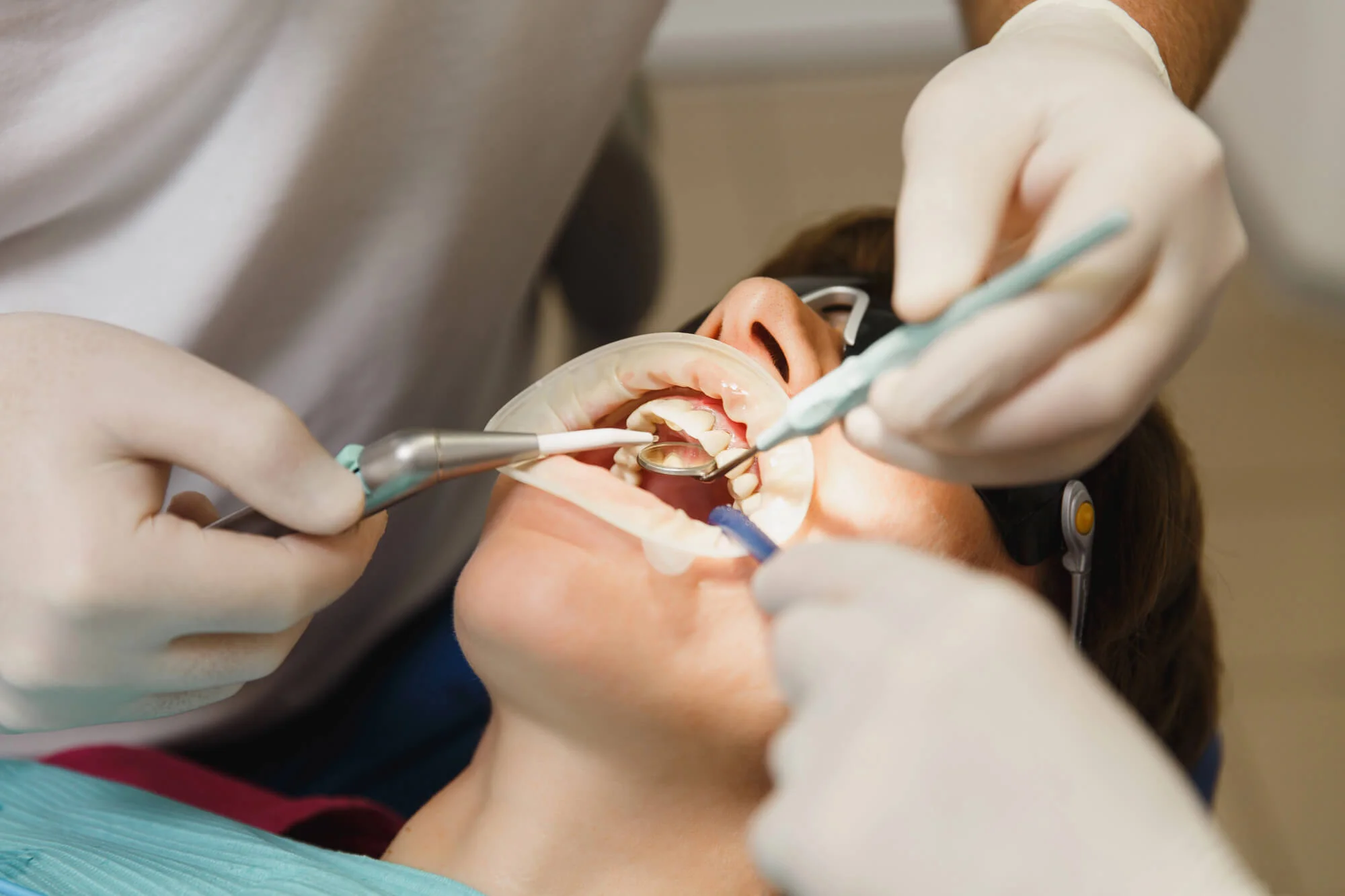
Do I Need a Crown After a Root Canal?
Find out if you need a crown after a root canal. Learn about dental crowns in Charlotte, NC, and book your appointment today.
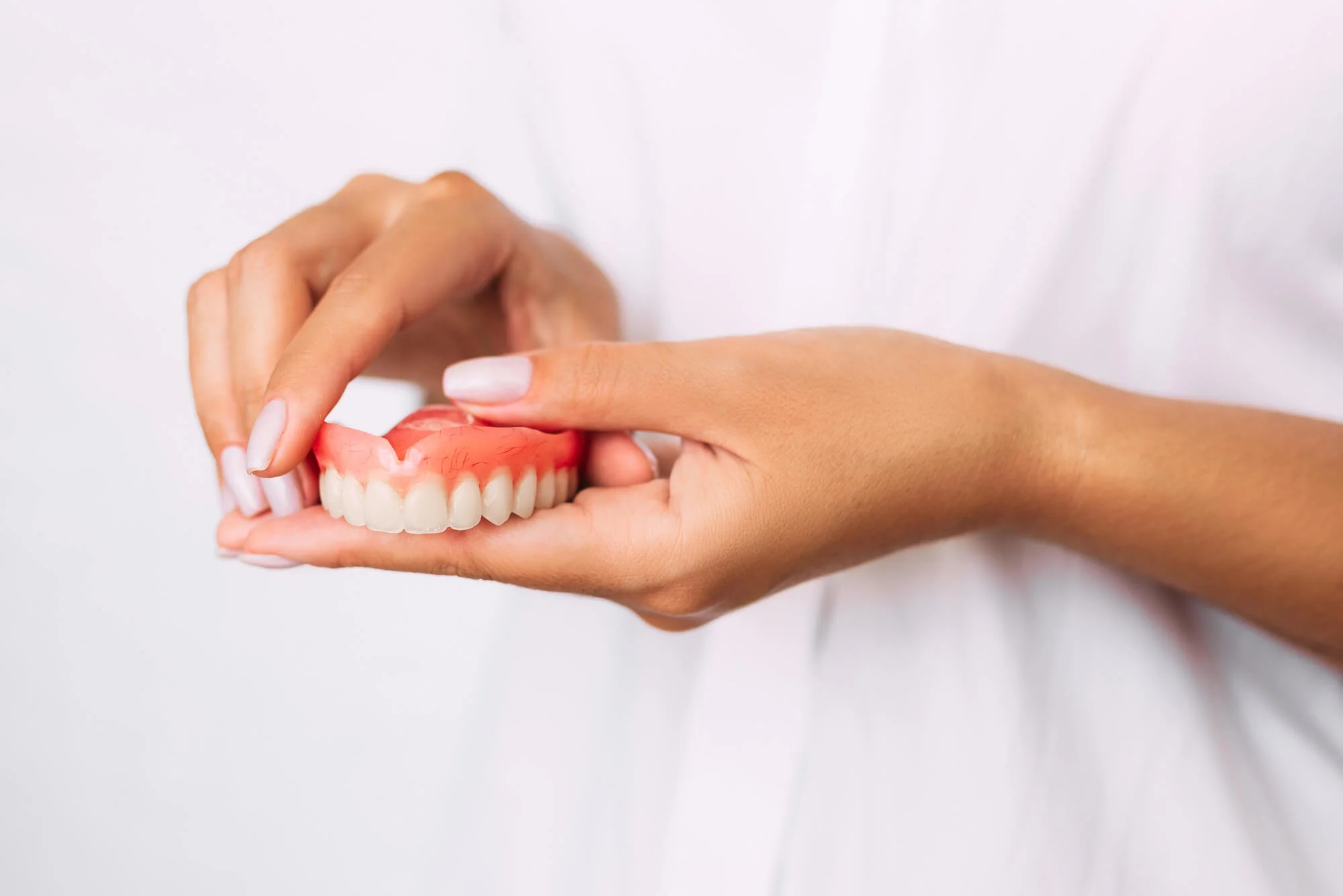
Full vs. Partial Dentures: Which Do I Need?
Not sure if you need full or partial dentures in Charlotte, NC? Learn the differences and schedule your consultation today.
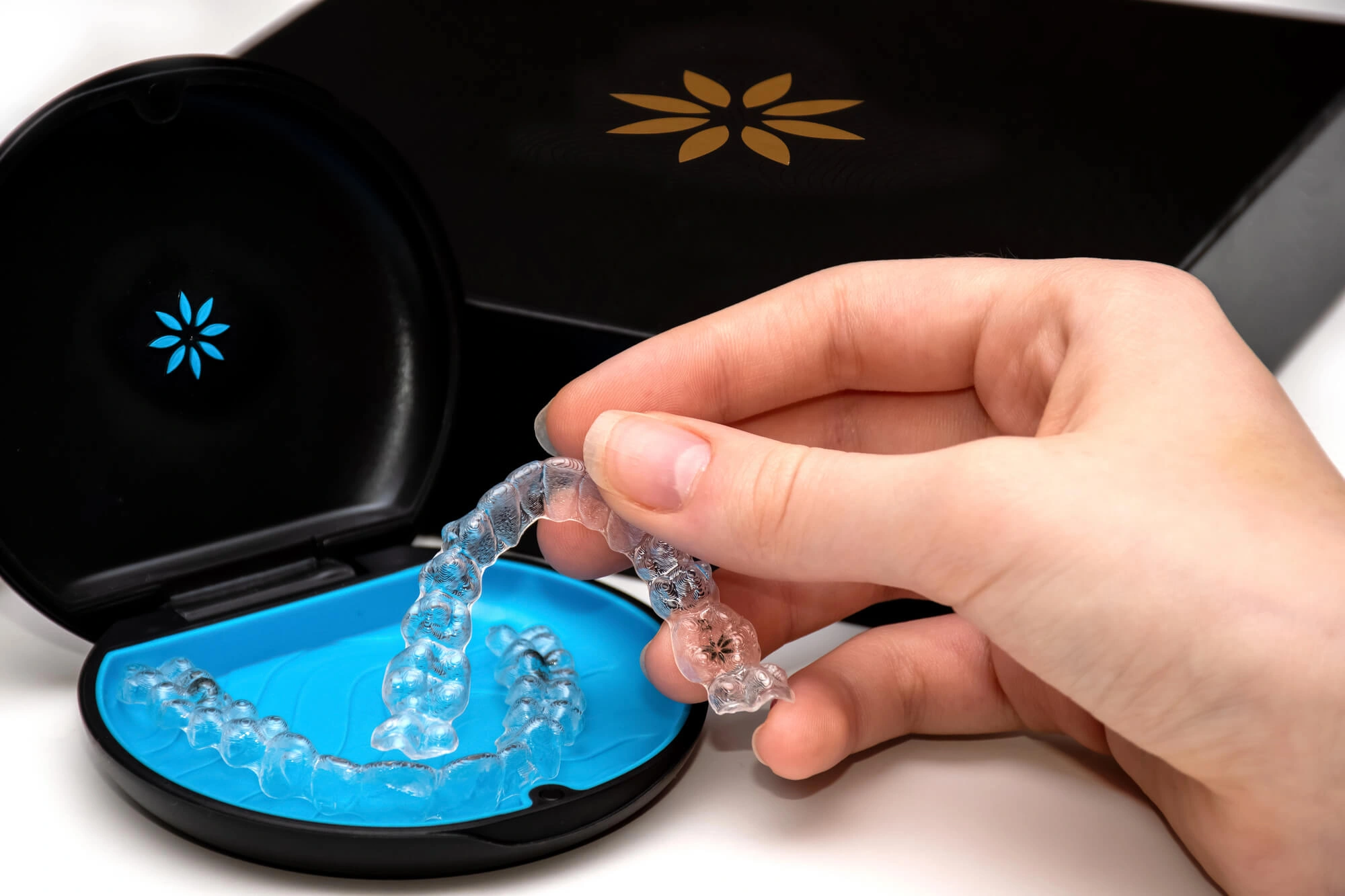
Invisalign Maintenance Tips for Best Results
Keep your aligners clean and your treatment on track with Invisalign in Charlotte, NC. Follow these maintenance tips and schedule a consultation today.
